

Best Substrates for Liquid Metal Coatings: MDF, Wood, Plastic & Vinyl Guide
Liquid metal coatings can transform almost any surface into a genuine metal finish. However, the coating does not perform identically across every substrate. Surface energy, porosity, and primer compatibility all influence the outcome, and overlooking any of these factors can result in uneven finishes, adhesion failure, or premature delamination.
This guide outlines the four substrates most commonly used with liquid metal coatings, how each material behaves during application, and the preparation steps that have the greatest impact on the final result.

1. MDF: The Industry Standard
Medium-density fiberboard remains the preferred substrate for cabinetry and interior fabrication. Its dimensional stability, uniform surface, and absence of grain make it the most predictable material for achieving a consistent metallic finish across multiple units.
Recommended applications:
- Cabinet doors and fronts
- Wall panels
- Furniture components and trim
Preparation guidelines:
- Apply a water-based primer before topcoating; unsealed MDF absorbs material unevenly
- Pay particular attention to edges, which are more porous than the face and absorb additional material; a separate sealing pass is recommended
Summary: MDF is the most reliable substrate for projects requiring consistency across multiple pieces.

2. Wood: Suited to Custom and Artistic Work
Wood offers natural texture and design character that MDF cannot replicate, making it the preferred substrate for custom furniture and decorative installations. However, it presents additional considerations: grain pattern can show through the finish, and humidity fluctuations cause expansion and contraction that affect long-term performance.
Recommended applications:
- Custom furniture
- Decorative panels
- Art installations and sculptural pieces
Preparation guidelines:
- Fill the grain prior to coating if a smooth, uninterrupted surface is required
- Apply primer coats in layers rather than a single heavy application, as absorption varies across the panel
- Sand between each coat to maintain consistency
Summary: Wood requires more extensive preparation than MDF but delivers a level of natural character well suited to bespoke projects.

3. Plastic & Composites: Lightweight Applications
Liquid metal coatings allow fabricators to achieve a metallic appearance on lightweight substrates, reducing material cost while expanding design possibilities for sculptural and decorative work.
The primary challenge is surface energy. Most plastics have low surface energy, meaning standard coatings will not adhere without proper surface preparation and a compatible primer system.
Recommended applications:
- Decorative objects and sculptures
- Lightweight architectural panels
- Props and display pieces
Preparation guidelines:
- Use an adhesion-promoting primer matched to the specific plastic substrate
- Lightly abrade the surface to create a mechanical key
- Conduct an adhesion test prior to full-scale application
Summary: Plastics expand design flexibility, provided the appropriate primer and surface preparation system is followed.

4. Vinyl: Requires Advanced Preparation
Vinyl is commonly found in modular furniture, retail fit-outs, and interior panel systems, making it a frequent candidate for retrofit applications where replacing the underlying surface is not practical.
Vinyl is also the most demanding substrate on this list. As a low surface energy material with inherent flexibility, it is prone to adhesion failure and cracking if not properly prepared. This substrate is not recommended for applicators without prior experience in liquid metal application.
Suitable applications:
- Decorative panels in fixed, non-flexing installations
- Controlled interior environments
- Retrofit projects where surface replacement is not feasible
Applications to avoid:
- High-flex areas
- Outdoor or exterior exposure, unless the system has been specifically tested for this use
Preparation guidelines:
- Thoroughly clean the surface to remove plasticizers, oils, and contaminants
- Lightly abrade to create a mechanical key
- Use a high-performance adhesion primer designed specifically for plastic and PVC substrates
- Perform an adhesion test prior to full application
Important consideration: If the vinyl surface is excessively flexible or poorly bonded to the underlying substrate, no coating system will compensate for this structural limitation. The integrity of the finish depends on the integrity of the surface beneath it.
Summary: Vinyl can be successfully coated, but only with the correct preparation, primer system, and realistic expectations regarding its limitations.
Substrate Selection at a Glance
|
Project Goal |
Recommended Substrate |
|
Cabinetry and repeatable results |
MDF |
|
Custom furniture and art |
Wood |
|
Lightweight structural pieces |
Plastic/composites |
|
Retrofitting existing surfaces |
Vinyl |

Preparation Principles That Apply to Every Substrate
Several core principles apply regardless of the material being coated:
- Surface preparation is the primary determinant of success. A well-prepared difficult substrate will consistently outperform a poorly prepared straightforward one.
- Select a primer matched to the substrate. No single primer performs equally across MDF, wood, plastic, and vinyl.
- Test before full-scale production. A brief adhesion test can prevent significant rework later in the process.
-
Maintain a controlled environment. Dust, humidity, and temperature variation all influence cure quality and adhesion strength.
Conclusion
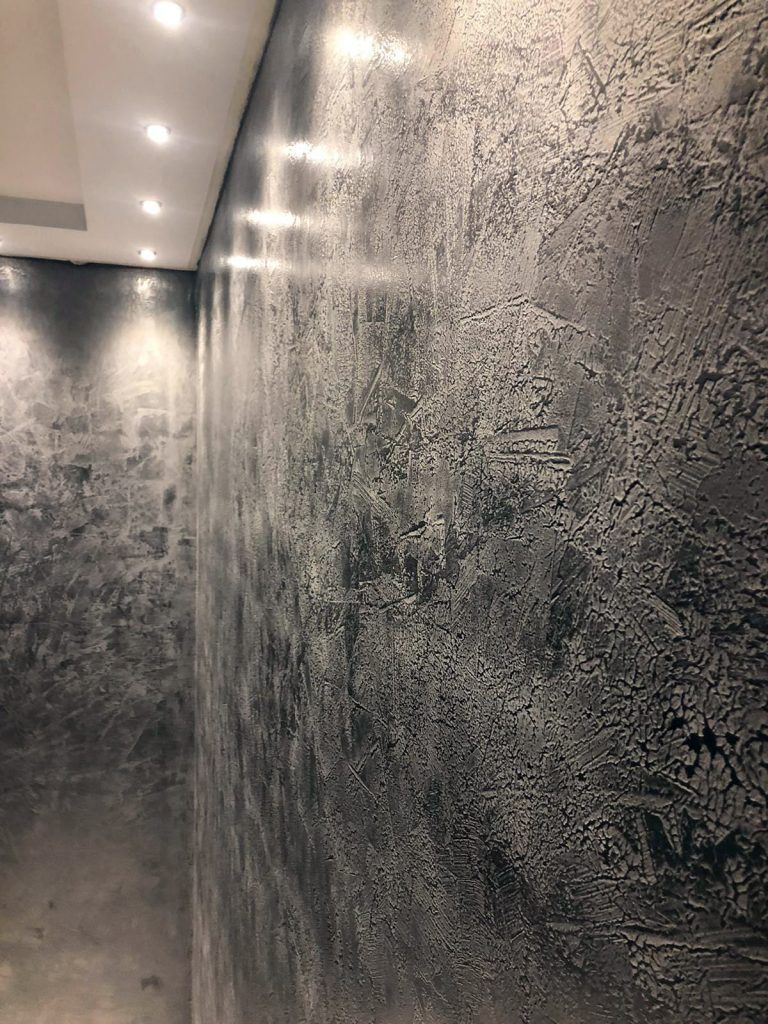
Liquid metal coatings enable a genuine metal finish on nearly any surface, but each substrate carries its own requirements. Applicators who understand these material-specific differences are better positioned to deliver consistent, professional results, reduce rework, and expand into new project types.
This understanding represents a meaningful competitive advantage within the growing liquid metal coatings market in the United States.
For guidance on selecting the appropriate liquid metal system for a specific substrate, explore our liquid metal coating kits or contact our team directly.